

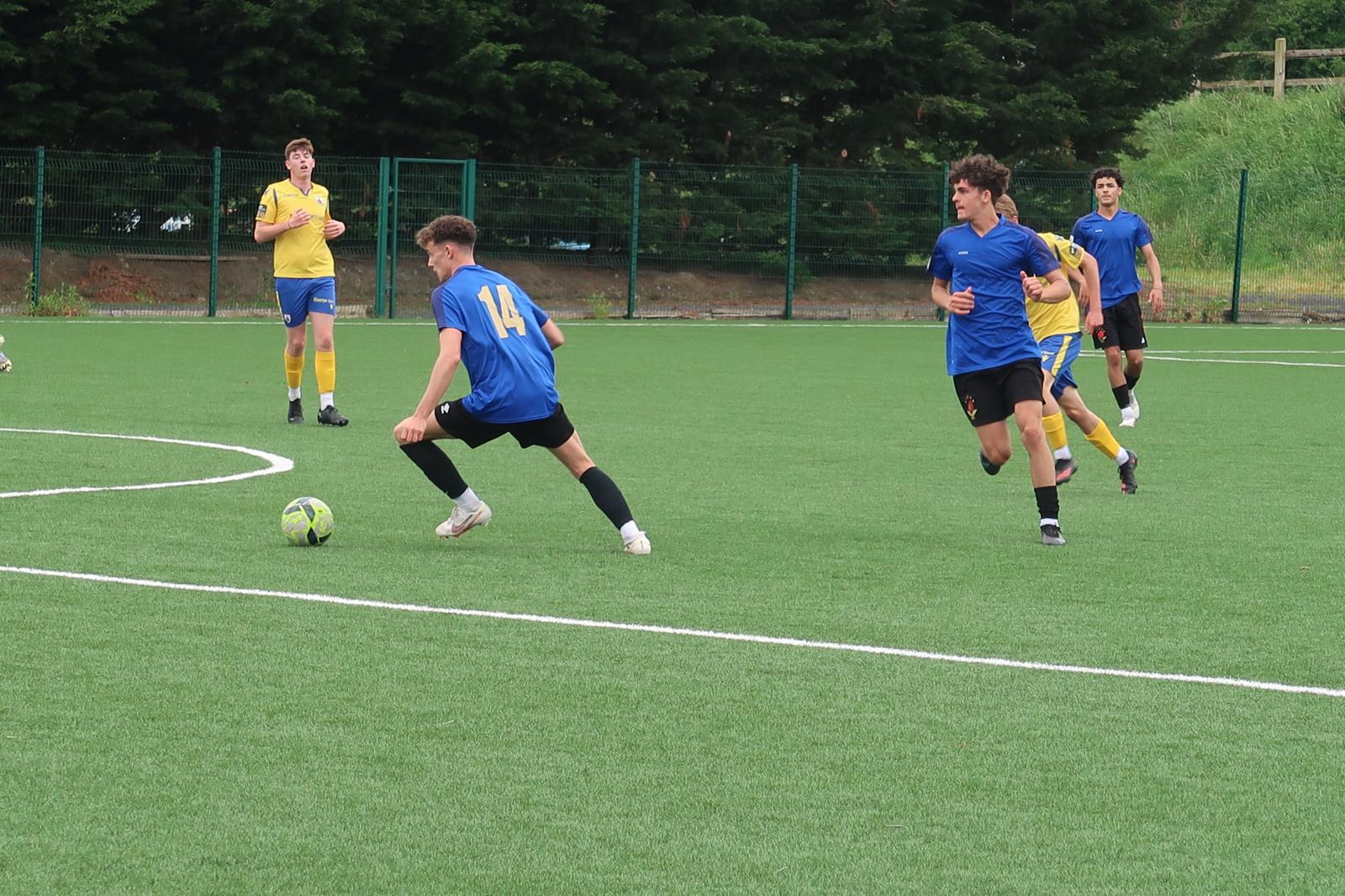
As a coach, I’ve learned that nothing showcases a striker’s quality like the art of movement off the ball. Space is currency in modern football, and the striker who understands how to manipulate it often dictates the tempo of a match. Below are core movements I train and expect from top strikers, plus simple drills to embed them into your team’s rhythm.
Defensive Disguise and Late Timing
What to do: Use controlled, non-linear runs to pull center-backs out of position before the ball arrives. Move early to draw a defender, then switch tempo—burst behind the line just as the ball is released.
Why it works: It creates pockets of space between the last line of defense and the goalie, giving you a window to attack the ball with speed and precision.
How to train: 2v2 or 3v3 rondos with emphasis on striker timing. Start with the striker making a delayed run to glancingly pull a defender, then switch to an explosive run at a pass.
Width to Force Structural Gaps
What to do: When your team has possession in wide areas, the striker drifts toward the touchline or overlaps with the winger’s run to stretch the defensive block. The aim is to pull a center-back wide enough to open a central lane for a through ball or a quick lay-off.
Why it works: Width compresses the defense; inside channels become more accessible for decisive finishes.
How to train: Half-field 4v4 with a rule that the striker must drift to touchline for at least 8–12 seconds before returning to goal-facing movements. Focus on timing the pass for a shot or a one-two.
Back-Force and Near-Post Occupation
What to do: Position slightly off the back shoulder of the center-back, leaning toward the near post or the space between the defender and the goalkeeper. Your first touch should invite a cross or a cut-back, not a direct finish.
Why it works: It unsettles the defender’s balance and creates a shooting angle from tighter spots with less time.
How to train: Finishing circuits where the striker receives from a cross or a cutback, emphasizing quick, angled finishes after a controlled touch.
Run-Turn-Rebuild: The Delayed Move
What to do: After a sprinting intervention, hold your run slightly, then pivot to face the goal, ready for a one-touch finish or a clever pull-back to a trailing midfielder. The key is the abrupt halt and reorientation.
Why it works: It disrupts the timing of the defense and allows you to exploit secondary balls or rebounds.
How to train: 5v5+1 possession games with the striker required to start with a post-run turn, finishing with a shot or a pass to an onrushing winger.
Sequences: The Shadow Run
What to do: Create a two-phase movement: first, a “shadow” run that drags a defender, then a second, decisive diagonal cut to an unprotected zone. Your timing is the difference between a clean strike and a blocked shot.
Why it works: It creates a moment of doubt in the defender, buying you the split-second needed to find space.
How to train: Build a drill where the striker’s ghost run precedes a ball into the box. Measure success by successful touches in the open space and shots on target.
Shadowing the Midfield: Lateral Isolation
What to do: When the ball cycles through the midfield, angle your run to create a diagonal lane into the box. Your aim is not to chase the ball blindly but to arrive on an angle that eliminates multiple defenders.
Why it works: It isolates you against a single defender and opens space for a one-two or a pass across the box.
How to train: 3v3 or 4v4 small-sided games with a rule that the striker must arrive from a diagonal angle into the penalty arc for a finishing touch.
Coaching cues to implement.
Communication: The striker should constantly call for the ball when you’ve created space, but also be aware of teammates’ cues to avoid crowding the ideal channels.
Timing over speed: The most dangerous runs are those that synchronize with ball arrival. Work on anticipation and whether to break early or late.
Variant patterns: Have a library of 6–8 movement patterns. Drills should rotate patterns weekly to keep defenders guessing.
Recovery and balance: After you make a movement to create space, quickly re-balance to be available for the next phase—a shot, a lay-off, or a through ball.
An illustration to visualize.
Picture a 4-3-3 setup. Your striker starts aligned with the second defender line. As the ball shifts to the left wing, the striker drifts deeper and toward the near post, pulling a central defender with him. The winger delivers a cross into the space the striker has just created, where the striker is now carving a shot or lay-off opportunity for a late-arriving midfielder. The defender is stretched across the width, and the goalkeeper has fewer angles to cover.
Practical drills to add this week to your sessions:
2v2 + tempo: Two attackers, two defenders; the striker must create space with one movement before receiving a pass for a shot.
Width-and-cut: One winger on the left, one striker in the center. The striker must drift to the left flank for 10 seconds, then cut back diagonally into the box for a scoring chance.
Shadow runs: The striker practices the shadow run followed by a decisive diagonal cut into the box, with the goalkeeper acting as a live obstacle.